
Last Updated on October 13, 2026 by Admin
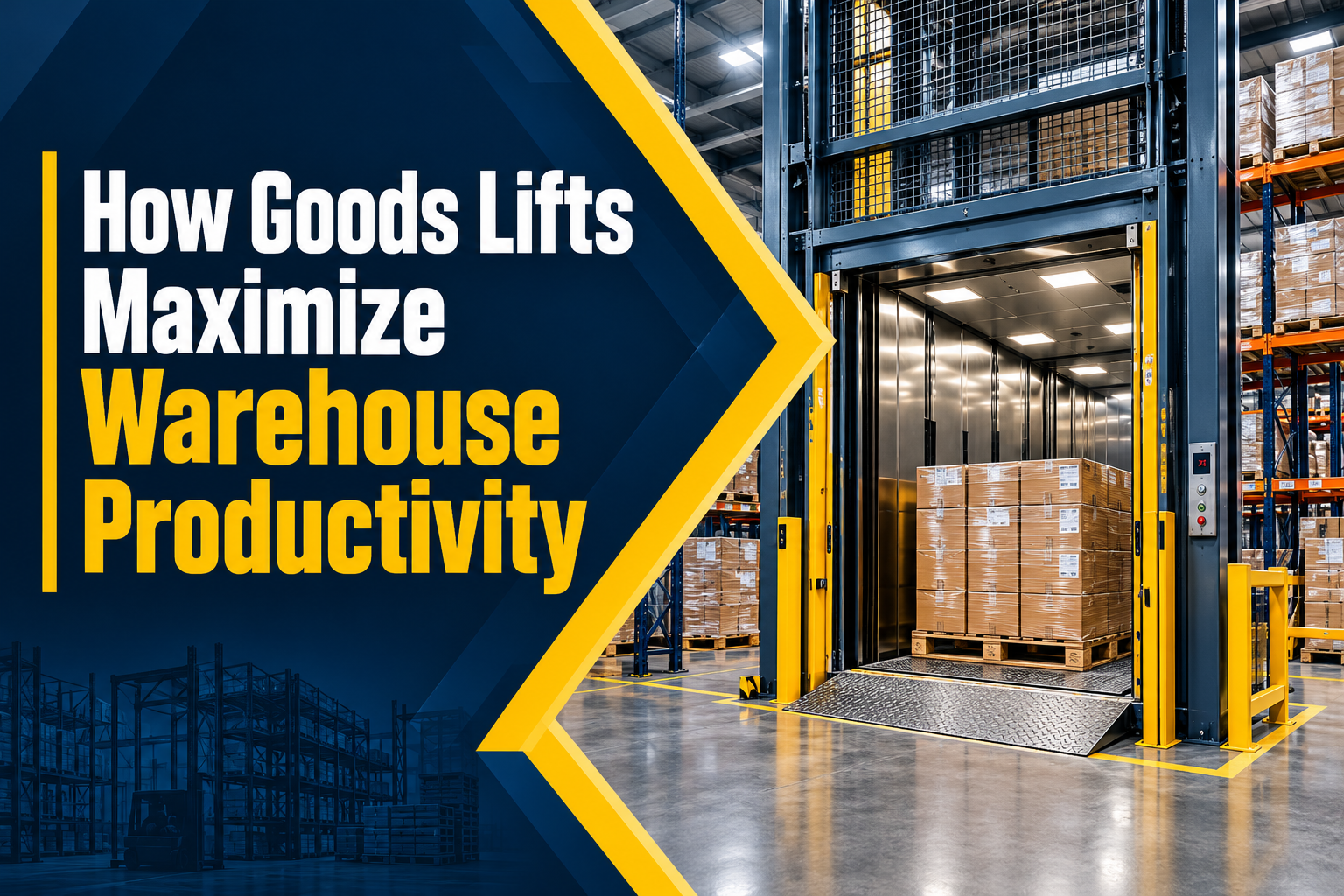
In today’s fast-paced supply chain ecosystem, modern distribution hubs, manufacturing units, and fulfillment centers face relentless pressure to move items faster and more efficiently. When managing multi-level facilities, vertical mobility bottlenecks can severely choke daily operations. Implementing a high-performing goods lift is no longer just an optional facility upgrade; it is a vital operational catalyst. By transforming how heavy cargo travels between mezzanines and floors, businesses can drastically cut transit times and enhance overall enterprise output.
Understanding how structured vertical logistics influences commercial success requires looking closely at modern material handling equipment. Modern industrial floors rely heavily on robust engineering to remove physical bottlenecks, minimize manual labor strain, and protect valuable inventory during transit.
The Evolution of Vertical Logistics in Modern Warehousing
Traditional storage houses often relied on manual ramps, inclined belt conveyors, or outdated hoists to transfer inventory between levels. These legacy methods introduced massive safety hazards, high labor costs, and frequent product damages. As e-commerce demands surge and storage spaces expand upward to maximize footprint efficiency, modern heavy-duty vertical transportation systems have taken center stage.
A well-integrated goods lift bridges the gap between ground-floor staging zones and upper-level racking systems. Instead of wasting valuable staff hours manually hauling heavy pallets across inclined walkways, warehouse operators can leverage specialized engineering to hoist multiple tons of cargo in a matter of seconds. This seamless vertical flow transforms standard storage spaces into high-velocity fulfillment powerhouses.
Core Advantages of Installing an Advanced Goods Lift
Upgrading your facility with engineered vertical transport yields immediate operational dividends. Below are the primary ways these systems elevate enterprise productivity:
- Drastic Reduction in Transit Time: Moving heavy inventory vertically via motorized lifts takes a fraction of the time required by manual handling or winding ramps.
- Optimized Floor Space Utilization: Vertical lifts occupy minimal footprint while granting access to multi-tier mezzanines, letting you store more inventory upwards instead of outwards.
- Enhanced Protection for Sensitive Cargo: Enclosed cabins and stable platforms prevent items from tipping, sliding, or sustaining impact shocks during floor-to-floor transfers.
- Labor Fatigue Mitigation: Eliminating manual heavy lifting spares warehouse personnel from physical injuries, reducing absenteeism and boosting workplace morale.
Engineering Superiority: Why Hydraulic Lifts Transform Workflow
When designing a robust facility infrastructure, choosing the right mechanical configuration is paramount. Among available options, hydraulic lifts stand out for their raw power, smooth acceleration profiles, and exceptional durability under continuous industrial stress.
Unlike complex rope-and-gear setups, hydraulic systems operate via fluid displacement under pressure, making them exceptionally reliable for heavy industrial payloads. For deeper insights into facility layout planning and equipment standards, you can review guidelines provided by organizations like Material Handling Institute (MHI).
Furthermore, pairing standard freight transit with a dedicated service lift ensures that maintenance gear, quick-restock carts, and facility personnel can navigate multi-story plants without disrupting core inventory pipelines. This separation of duties ensures peak throughput during peak operational shifts.
Adhering to Strict Industrial Safety Standards
Safety remains the absolute cornerstone of any high-throughput logistics facility. Operating heavy machinery without rigorous safety safeguards invites catastrophic workplace accidents, regulatory penalties, and costly equipment damage. Modern industrial lifting equipment must comply with rigorous industrial safety standards to protect workers and safeguard assets.
- Overload Protection Relays: Automatically cut power if cargo exceeds the maximum rated tonnage, preventing structural strain.
- Mechanical Safety Interlocks: Ensure that shaft gates and landing doors cannot open unless the platform is perfectly leveled at that specific floor landing.
- Emergency Lowering Valves: Allow operators to safely lower the platform to ground level during unexpected power grid failures.
- Slack-Rope and Burst-Protection Valves: Maintain hydraulic pressure stability to prevent sudden drops even under unexpected hose or line anomalies.
To maintain these strict safety margins over years of continuous operation, facilities must schedule routine system checkups. You can explore professional maintenance options and agreements via Horizon Elevators AMC Services to keep your infrastructure operating at peak compliance.
Fine-Tuning Factory and Warehouse Workflow Optimization
Achieving true operational excellence requires treating vertical transit as an integrated component of your broader layout design. When planning a new facility or retrofitting an existing plant, evaluating freight elevator capacity against your average hourly throughput is essential.
Consider a busy automotive parts distribution hub. If incoming bulk shipments arrive on oversized wooden pallets, the lift platform must feature custom dimensions and weight tolerances capable of accommodating heavy forklift loading. By aligning platform size, cycle speed, and door configurations with your exact operational cadence, you achieve complete factory and warehouse workflow optimization.
For comprehensive details on specialized industrial models built for diverse architectural layouts, visit the main Horizon Elevators Industrial Lifts Hub.
Transform Your Facility Efficiency Today with Horizon Elevators
Maximizing warehouse productivity requires more than standard off-the-shelf equipment; it demands precision-engineered vertical solutions tailored to your unique facility layout, load requirements, and daily cycle demands. At Horizon Elevators, we specialize in delivering rugged, heavy-duty industrial systems engineered for absolute reliability, seamless operation, and long-term compliance.
Don’t let vertical bottlenecks limit your business growth or slow down your fulfillment pipelines. Partner with our engineering experts to design a custom lifting solution that accelerates your throughput and secures your workplace environment. Contact Horizon Elevators Today to request a personalized consultation and engineering quote for your facility.
Frequently Asked Questions (Q&A)
1. What is the typical weight capacity of a heavy-duty industrial goods lift?
Standard industrial goods lifts generally range from 500 kilograms to several tons, depending on the specific hydraulic configuration and structural platform sizing required by your facility.
2. Can goods lifts be customized to fit tight warehouse spaces?
Yes! Professional manufacturers can inspect your existing site dimensions and engineer custom platform sizes, gate styles, and travel heights to fit seamlessly into restricted structural spaces.
3. Are workers allowed to ride inside a standard industrial goods lift?
Standard vertical reciprocating conveyors (VRCs) and pure freight lifts are strictly engineered for transporting materials and cargo, not human passengers. Always verify local regulatory compliance for mixed-use service elevators.
4. How often should industrial lifts undergo professional maintenance?
To ensure optimal safety, prevent unexpected breakdowns, and extend equipment lifespan, industrial hydraulic lifts should undergo comprehensive preventive maintenance and professional inspection at least quarterly.