
Last Updated on April 23, 2026 by Admin
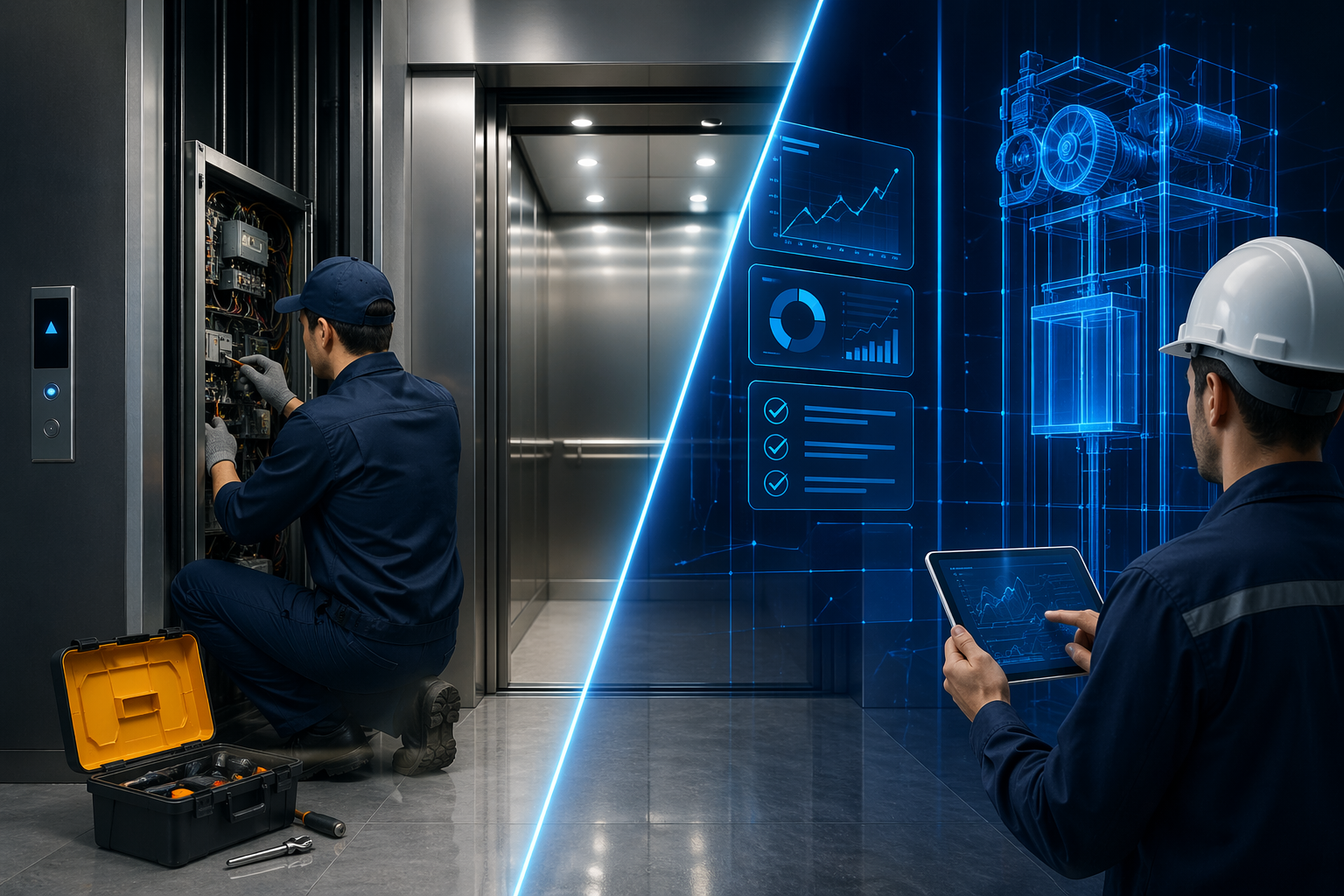
In the rapidly evolving landscape of urban infrastructure, the reliability of vertical transportation is no longer just a luxury—it is a critical operational necessity. Whether you manage a high-rise residential complex or a sprawling commercial hub, understanding the nuances of modern upkeep is vital. This Elevator Maintenance Guide 2026: Preventive vs Predictive Maintenance Explained serves as your comprehensive roadmap to navigating the technical shifts in the industry, ensuring your equipment remains safe, compliant, and efficient.
The year 2026 marks a turning point in how we perceive machinery health. Gone are the days of “fix it when it breaks.” Today, facility managers are choosing between structured schedules and data-driven foresight. By the end of this guide, you will understand how to transition from basic care to advanced technological oversight.
Why Elevator Maintenance is Shifting in 2026
The vertical transportation industry has seen a massive influx of IoT (Internet of Things) integration. As buildings become “smarter,” the expectations for zero-downtime increase. Traditional methods are being challenged by digital twins and real-time monitoring systems. Understanding these shifts is the first step in protecting your investment and ensuring passenger safety.
Preventive Maintenance: The Time-Tested Standard
Preventive maintenance is a proactive approach based on time intervals or usage cycles. Think of it like the scheduled oil change for your car. It involves routine inspections, cleaning, lubrication, and adjustments to prevent minor issues from escalating into major failures.
The Core Components of a Preventive Plan
A robust preventive strategy typically includes:
- Scheduled Inspections: Monthly or quarterly check-ups.
- Lubrication and Cleaning: Ensuring the hoistway and machine room are free of debris.
- Part Replacement: Swapping out worn rollers or brushes before they snap.
While effective, the limitation of preventive maintenance is that it sometimes leads to “over-servicing”—replacing parts that still have significant life left, simply because the calendar says so.
Predictive Maintenance: The Data-Driven Revolution
When we look at the Elevator Maintenance Guide 2026: Preventive vs Predictive Maintenance Explained, the most significant “new” factor is predictive technology. Unlike preventive methods, predictive maintenance uses sensors to monitor the actual condition of the elevator in real-time.
How Predictive Technology Works
By analyzing vibrations, heat signatures, and door cycle speeds, AI algorithms can predict exactly when a component is likely to fail. This allows for “Just-in-Time” repairs.
- Vibration Analysis: Detecting misalignments in the motor before they cause noise.
- Thermal Monitoring: Identifying electrical overheating in the controller.
- Cloud Connectivity: Sending instant alerts to technicians before the elevator even stops.
Preventive vs Predictive: Which is Right for You?
Choosing between these two depends on your building’s specific needs, budget, and the age of your equipment.
| Feature | Preventive Maintenance | Predictive Maintenance |
| Strategy | Calendar/Usage Based | Real-time Condition Based |
| Cost | Fixed Monthly Fees | Higher Initial Setup/Subscription |
| Downtime | Scheduled | Minimized/Near Zero |
| Hardware | Standard | IoT Sensors & AI required |
For older installations, a strong elevator safety inspection protocol under a preventive plan is essential. However, for high-traffic buildings, the ROI of predictive systems is unmatched.
Enhancing Longevity through Vertical Transportation Safety
Regardless of the strategy, the ultimate goal is vertical transportation safety. According to Safety Standards by ASME, rigorous adherence to code is the only way to mitigate liability. In 2026, compliance isn’t just about passing an annual test; it’s about maintaining a digital log of every movement the cab makes.
Proper maintenance also impacts building energy efficiency. A well-lubricated motor and a perfectly balanced counterweight system consume significantly less power, contributing to your property’s overall green rating.
The Role of a Professional Lift Service Provider
Maintaining a lift is not a DIY task. It requires specialized knowledge of elevator control systems and mechanical engineering. A professional provider ensures that your hoistway and machine room are maintained to the highest standards, preventing the accumulation of dust and heat that often leads to controller failure.
Furthermore, a dedicated partner will assist with elevator code compliance, ensuring your equipment meets the latest 2026 local and national safety regulations.
Critical Areas of Focus in 2026
1. Door Operations
Door failures account for nearly 70% of all elevator service calls. Whether you use preventive or predictive methods, focusing on the door operator, tracks, and electronic safety edges is paramount.
2. Hydraulic and Traction Systems
For hydraulic lifts, monitoring oil temperature and seal integrity is key. For traction lifts, the focus shifts to rope tension and brake wear.
3. Emergency Communication
With the sunsetting of older analog lines, 2026 requires robust digital emergency communication systems that work even during power outages.
Optimizing Your Maintenance Budget
Investing in a preventative maintenance contract can save thousands in emergency repair costs. Unexpected breakdowns often lead to “emergency rates” and expedited shipping for parts. By mapping out your maintenance, you control the narrative of your building’s expenses.
To understand the broader impact of mechanical upkeep on property value, you can explore resources on Property Management Excellence from BOMA.
Why Choose Horizon Elevators for Your 2026 Strategy?
At Horizon Elevators, we understand that every building has a unique pulse. We don’t believe in one-size-fits-all solutions. Our approach combines the reliability of traditional preventive care with the cutting-edge insights of predictive technology.
We specialize in:
- Customized Maintenance Agreements.
- Modernization of Legacy Systems.
- 24/7 Emergency Support.
Our team ensures that your elevators aren’t just moving—they are performing at peak efficiency. We invite you to explore our Elevator Maintenance Services to see how we can tailor a plan for your facility. If your system is aging, our Modernization Solutions can bring 2026 technology to your existing structure. For more insights on safety and tech, visit our Blog Section.
Secure Your Building’s Future Today
Don’t wait for a “Lift Out of Service” sign to take action. Whether you are looking to implement a new Elevator Maintenance Guide 2026: Preventive vs Predictive Maintenance Explained strategy or simply need a reliable partner for your next inspection, we are here to help.
Contact Horizon Elevators Today for a Free Site Audit and Maintenance Quote
Frequently Asked Questions (Q&A)
Q1: How often should elevators be serviced in 2026?
Most safety codes require a professional inspection at least once a month for commercial buildings. However, predictive systems may allow for flexible servicing based on actual usage data.
Q2: Is predictive maintenance more expensive than preventive?
While the initial setup for IoT sensors and software has a higher upfront cost, the long-term savings from reduced downtime and extended equipment life typically outweigh the initial investment.
Q3: What are the LSI keywords I should know for elevator care?
Key terms include elevator safety inspection, vertical transportation safety, building energy efficiency, lift service provider, elevator control systems, and hoistway and machine room.
Q4: Can an old elevator be upgraded to predictive maintenance?
Yes, through modernization. Sensors can be retrofitted to older motors and controllers to bring them into a data-driven maintenance ecosystem.
Q5: What is the main benefit of preventive maintenance?
The main benefit is the significant reduction in “catastrophic failures.” By replacing parts before they break, you ensure the safety of your passengers and avoid the high costs of emergency repairs.