Top Elevator Safety Features Every Building Must Have in 2026: The Ultimate Guide to Vertical Safety
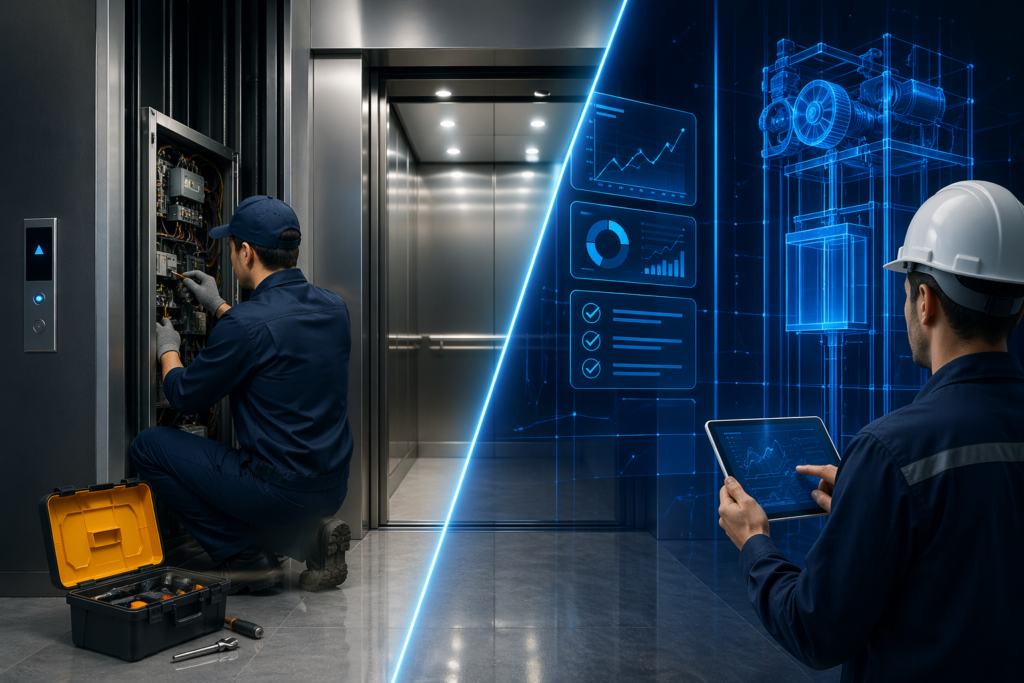
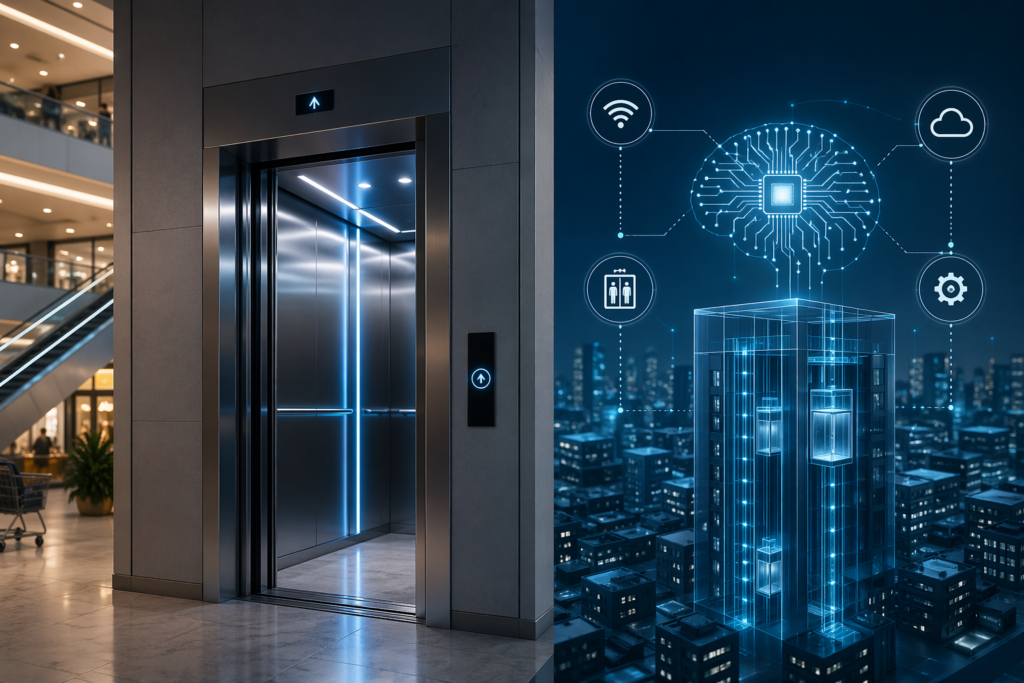
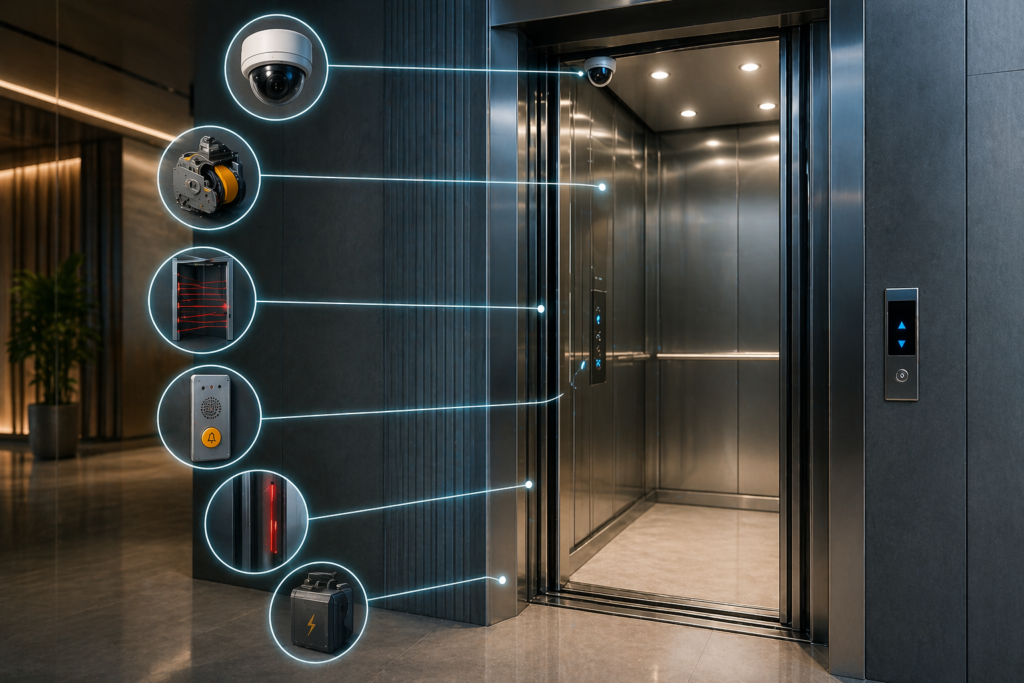
Last Updated on April 23, 2026 by Admin In the rapidly evolving landscape of urban architecture, the vertical commute has become as essential as the morning coffee. However, as buildings reach new heights in 2026, the technology powering them must evolve beyond simple movement. Ensuring the Top Elevator Safety Features Every Building Must Have in 2026 is no longer a luxury—it is a critical mandate for property managers, developers, and homeowners alike. With the integration of Artificial Intelligence (AI) and the Internet of Things (IoT), modern elevators have transformed from mechanical boxes into intelligent “trust machines.” Whether you are managing a high-rise commercial complex in Pune or a luxury residential villa, understanding these advancements is key to protecting lives and assets. This comprehensive guide dives deep into the high-tech safety mechanisms, regulatory standards like ISO 8100-1, and smart monitoring systems that are defining the new gold standard for elevator safety this year. 1. IoT-Enabled Predictive Maintenance: The End of “Out of Order” The most significant shift in Top Elevator Safety Features Every Building Must Have in 2026 is the move from reactive repairs to proactive prevention. Traditional maintenance relied on fixed schedules—checking the lift once a month regardless of its condition. Today, IoT-enabled monitoring uses a network of sensors to track motor performance, door cycle counts, and vibration levels in real-time. These sensors detect “anomaly-onsets”—tiny deviations in sound or temperature that occur weeks before a mechanical failure. For building owners, this means: 2. Advanced Door Lock Monitoring (DLM) and Light Curtains Statistics show that a significant majority of elevator-related incidents occur at the doors. In 2026, the Top Elevator Safety Features Every Building Must Have in 2026 include sophisticated Door Lock Monitoring (DLM) systems. DLM technology prevents the elevator from moving if the doors are not fully secured and locked. Complementing this are 3D Infrared Light Curtains. Unlike old-school mechanical edges that required physical contact to bounce back, these light curtains create an invisible “safety zone” in front of the door. If a person or an object (like a pet’s leash) breaks the signal, the doors instantly reopen. This feature is vital for apartment lift services where children and elderly residents frequently use the elevators. 3. AI-Powered Emergency Braking Systems If the suspension ropes fail, the “safety gear” or emergency brake is the final line of defense. In 2026, these are no longer purely mechanical. Modern Top Elevator Safety Features Every Building Must Have in 2026 incorporate AI-driven overspeed governors. These electronic governors use high-resolution encoders to monitor the car’s speed down to the millimeter. If the system detects unintended car movement (UCM) or an acceleration that exceeds safety limits, it triggers electromagnetic brakes instantaneously. According to safety benchmarks on Wikipedia, these redundant systems ensure that even in the event of a total power loss, the car is locked safely to the guide rails. 4. Smart In-Car Communication and Video Analytics Getting stuck in a lift is a stressful experience, but 2026 technology aims to eliminate the panic. Enhanced in-car communication is a staple of the Top Elevator Safety Features Every Building Must Have in 2026. Modern lifts now feature: This transparency builds immense trust and ensures compliance with updated international safety standards like those outlined by ISO Standards. 5. Touchless Controls and Biometric Access While often viewed as a convenience, touchless technology is a major safety feature in the post-pandemic era. By using gesture-based controls or mobile app integration, buildings reduce the transmission of germs. Furthermore, integration with biometric systems ensures that only authorized individuals can access specific floors, adding a layer of security to the physical safety of the elevator. 6. Regenerative Drives and Seismic Resilience Sustainability and safety go hand-in-hand. Regenerative drives capture energy during braking and feed it back into the building’s grid, preventing the system from overheating during high-traffic periods. Additionally, for regions prone to tremors, seismic sensors are now a “must-have.” These sensors detect early-stage earthquake waves and automatically park the elevator at the nearest floor, opening the doors to allow passengers to exit before the heavy shaking begins. 7. The Importance of Professional Maintenance Even the most advanced technology is useless without expert oversight. As buildings implement the Top Elevator Safety Features Every Building Must Have in 2026, the role of an experienced elevator maintenance company becomes paramount. Routine safety audits, lubrication of moving parts, and software updates for AI components are essential. Choosing a partner that understands the local landscape—such as Pune’s growing infrastructure—ensures that your building remains compliant with both local and international safety codes. Why Your Building Needs an Upgrade Today If your elevator was installed more than a decade ago, it likely lacks the Top Elevator Safety Features Every Building Must Have in 2026. Modernizing your lift isn’t just about aesthetics; it’s about liability and life safety. Upgraded lifts provide smoother rides, use 30% less energy, and significantly increase the property value of your building. Partner with Horizon Elevators for Unmatched Safety At Horizon Elevators, we don’t just install lifts; we install peace of mind. As a leading elevator maintenance company, we specialize in integrating the latest 2026 safety protocols into residential and commercial buildings. Whether you need apartment lift services or a complete system overhaul, our expert technicians ensure your elevators are always “safety-first.” Click here to get a free Safety Audit and Quote for your building today! Questions and Answers (Q&A) Q1: What are the most critical safety features for residential elevators in 2026? For residential settings, the most critical features include 3D infrared light curtains for door safety, emergency battery backup (ARU), and IoT-based remote monitoring to alert maintenance teams of issues before they become dangerous. Q2: How does AI improve elevator safety? AI improves safety through predictive maintenance, identifying wear and tear on cables and motors before failure. It also powers smart braking systems that can react faster than mechanical governors in an emergency. Q3: Is it mandatory to have video monitoring inside the car? While not mandatory in all jurisdictions, it is highly